
Elmina Castle
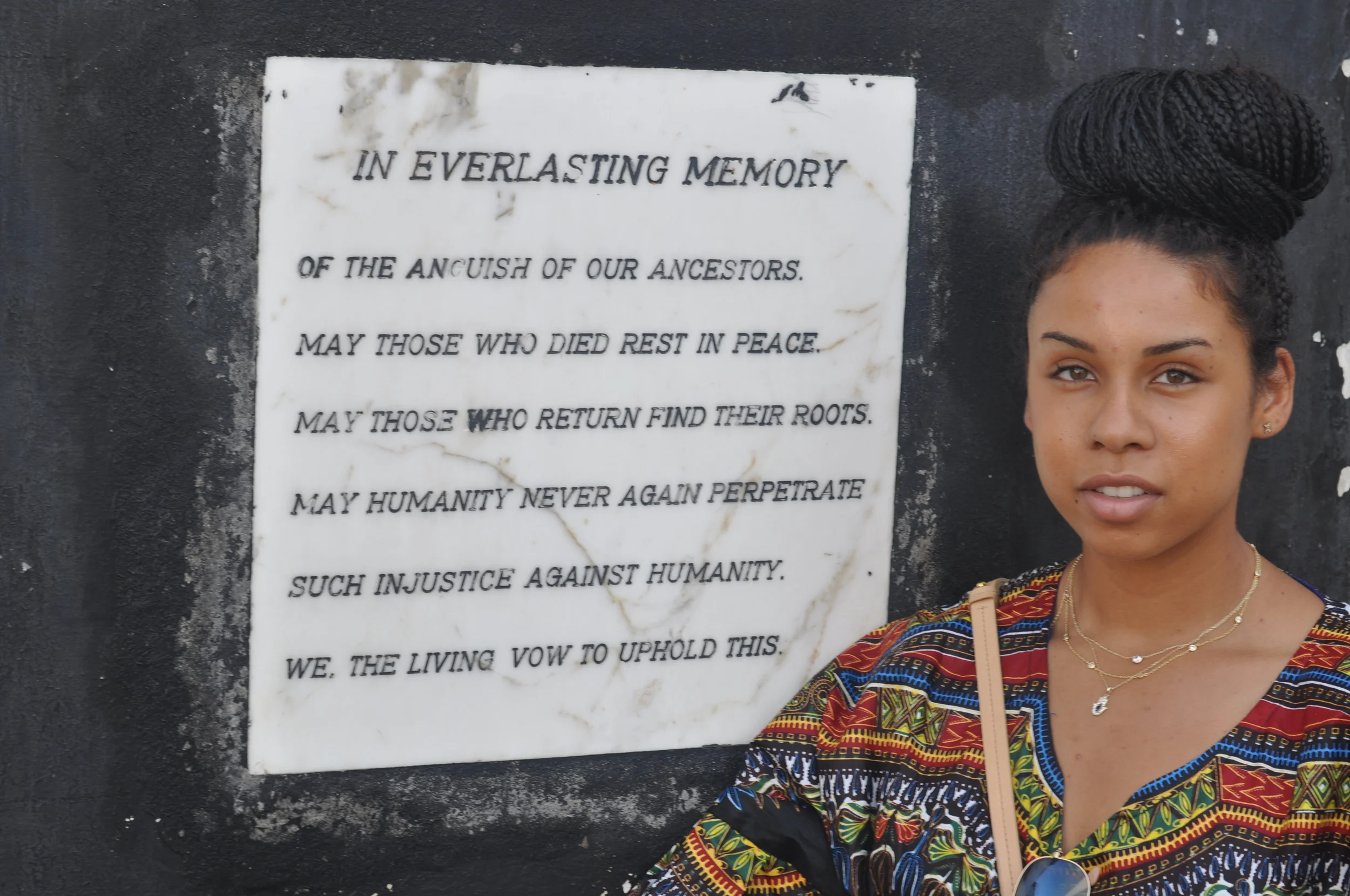
The Elmina castle was built in 1482 by the Portuguese who had come to Africa to trade gold. Shortly after the erection of the castle, it became a main trading and selling point for African slaves. The castle soon became the last stop for Africans before being sold into the slave trade, and sent to the new world. Slaves were brought to Elmina from all over West Africa, many coming from Angola and the Congo. Slaves were brought to the castle and held there for three months before making the journey to the Americas. At any time, the castle was filled with 1000 or more slaves. The castle served as trading post throughout slavery for over 400 years. Throughout these years the castle was occupied first by the Portugese for 155 years, the Dutch for 235 years, the British for 85 years, and finally the castle was and still is occupied by the people of Cape Coast Ghana.
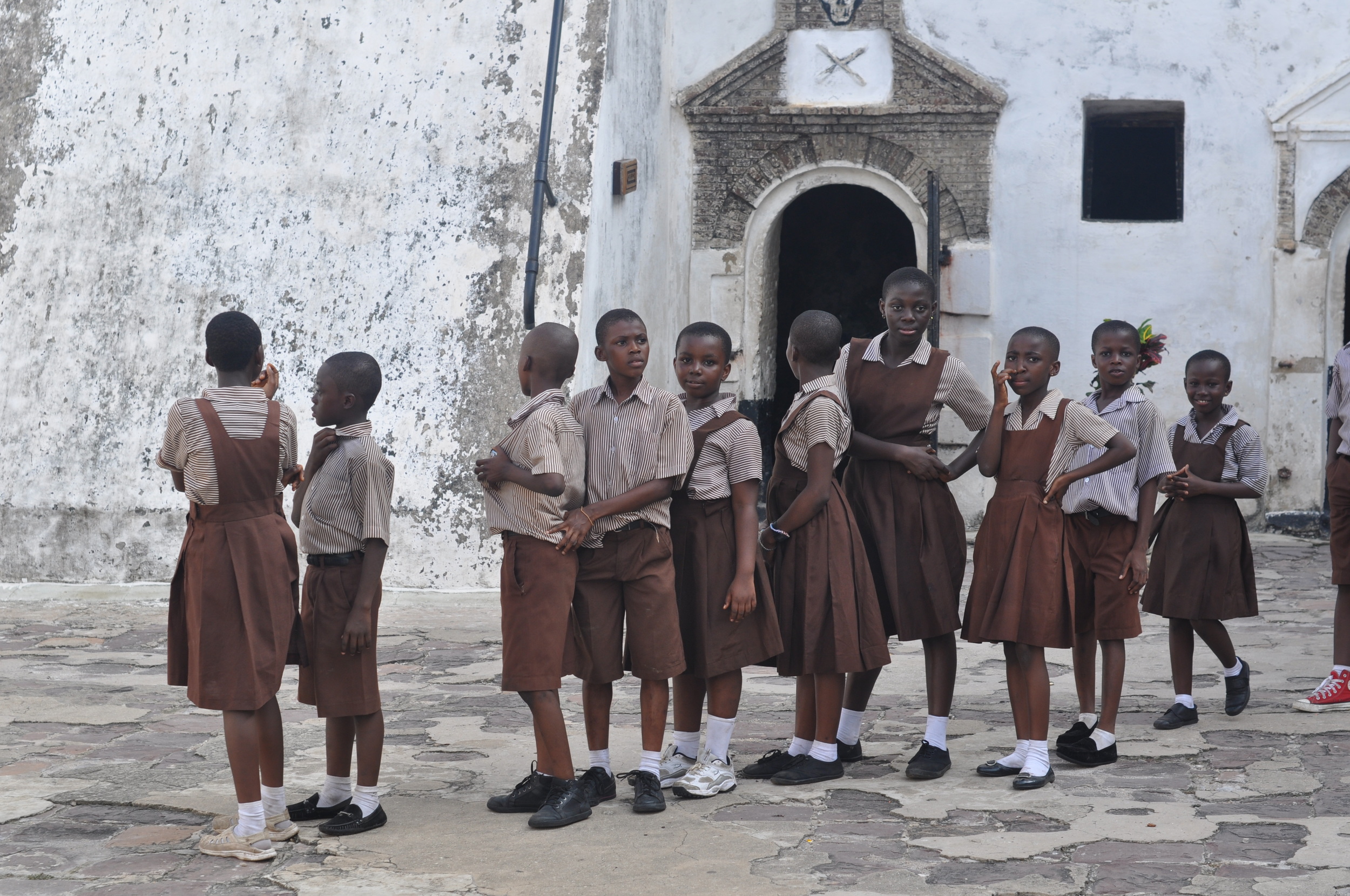
*Young students taking a tour of the castle
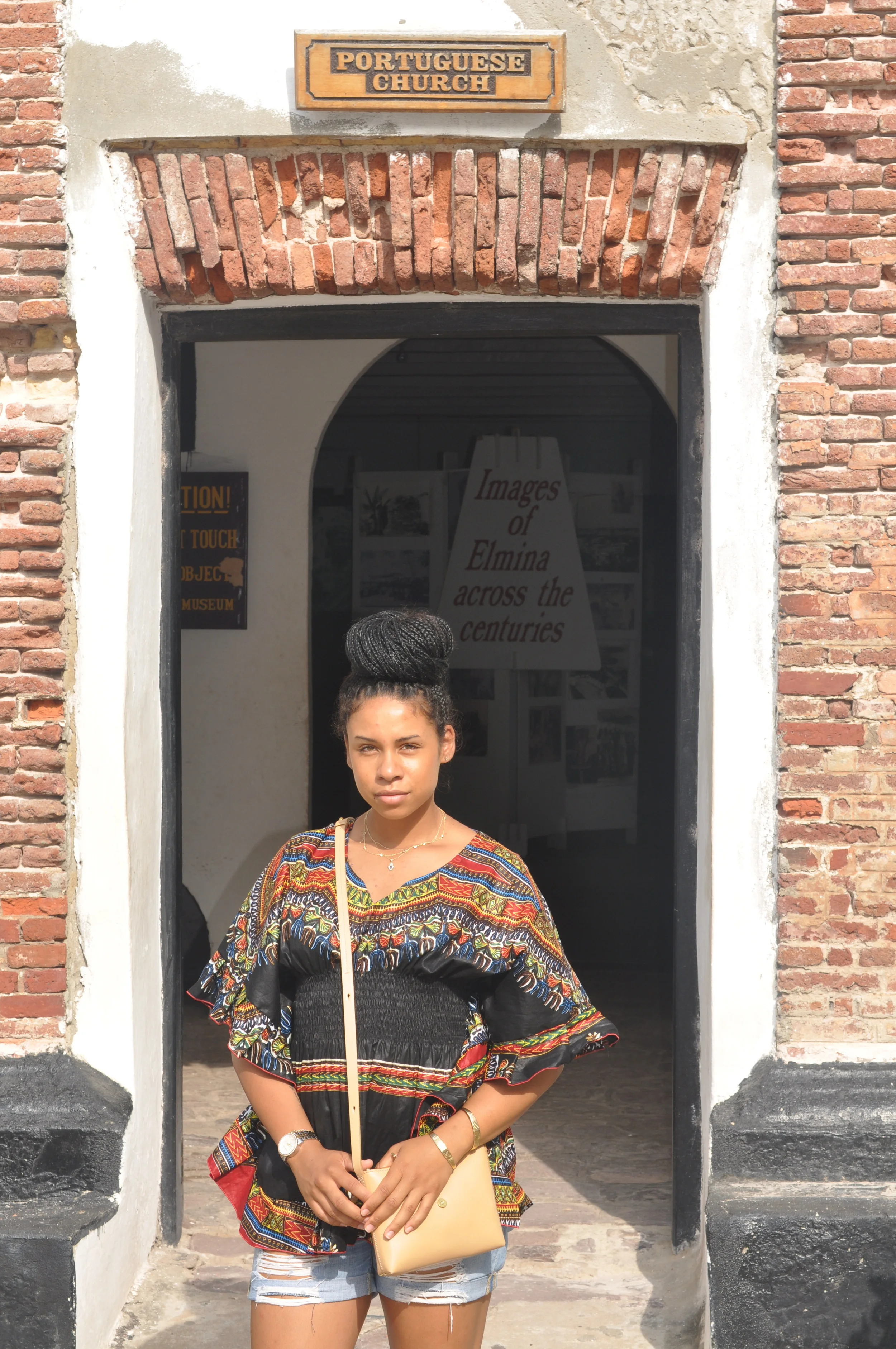
*The first Portugese church in Africa
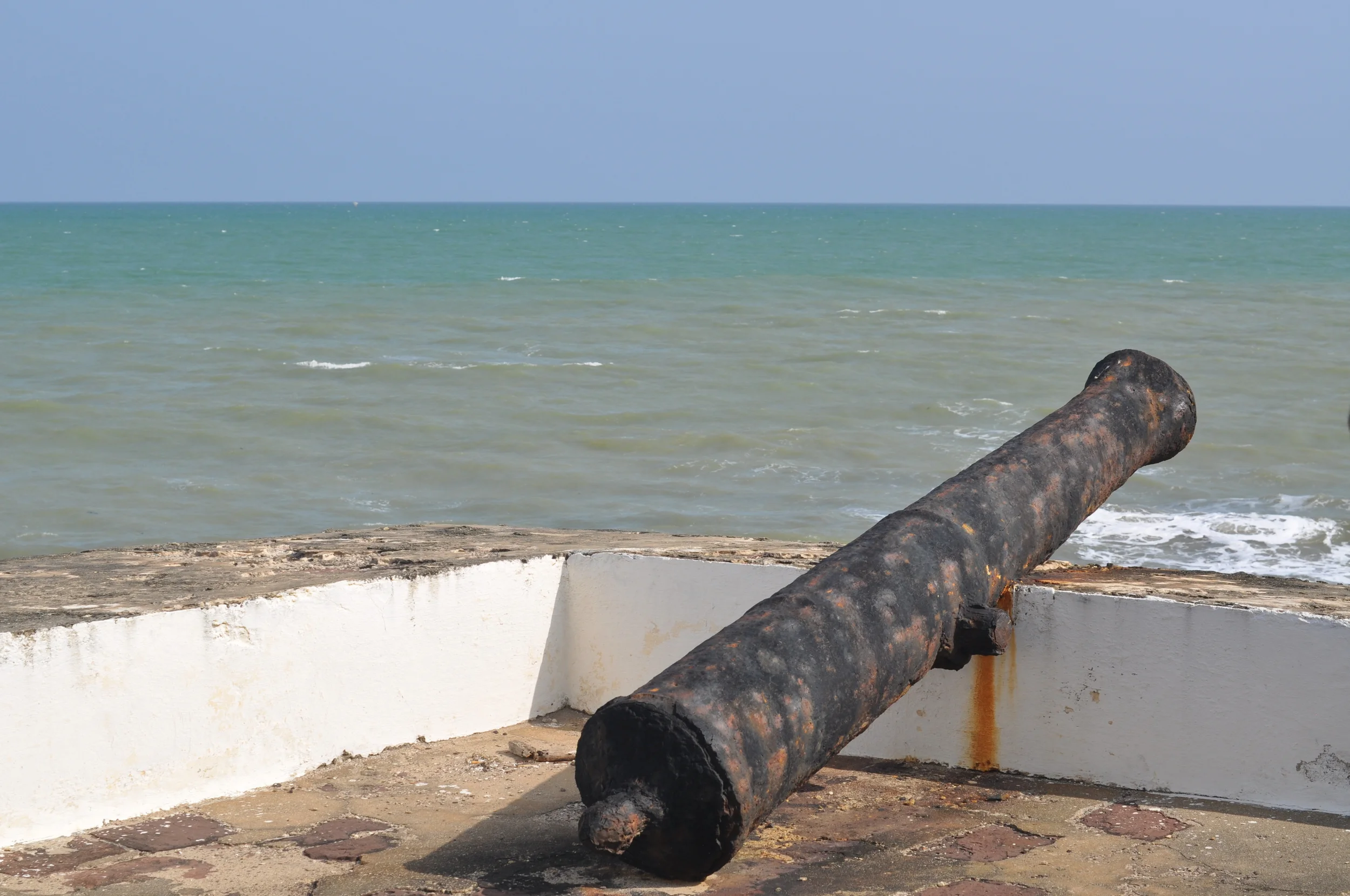
*Canons placed around the castle for protection
Since the occupation of the Ghanaian people, the castle has been slightly restored but the majority of the castle remains in it's orginal condition. To walk the same hallways as my ancestors did while heading to their inescapable fate, I felt such a personal connection to each and every one of the men and women that were there.
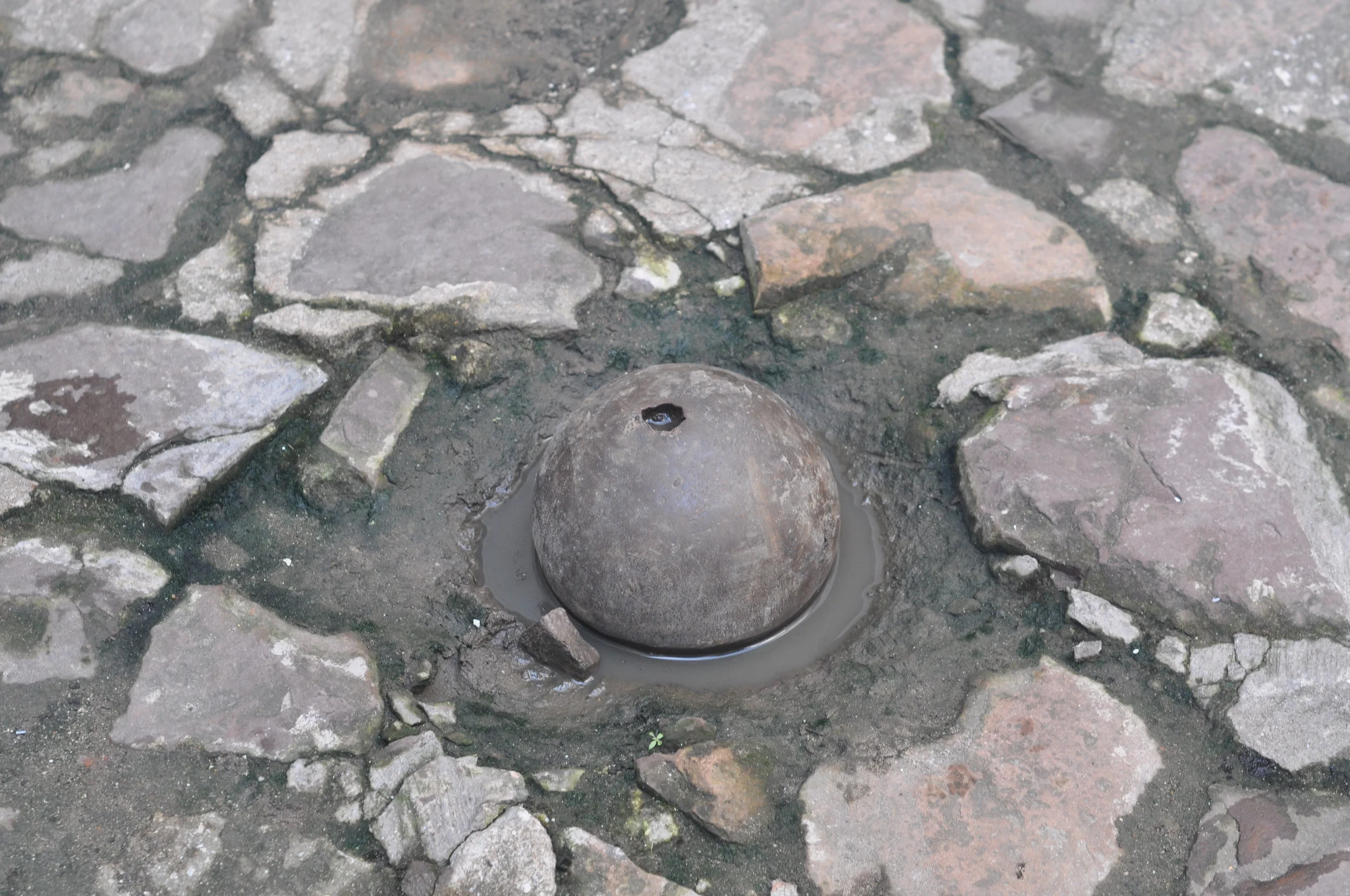
*Female slaves were chained to this canon ball if they refused to sleep with the governor. If they could not life the canon ball, they would suffer 40 lashes.
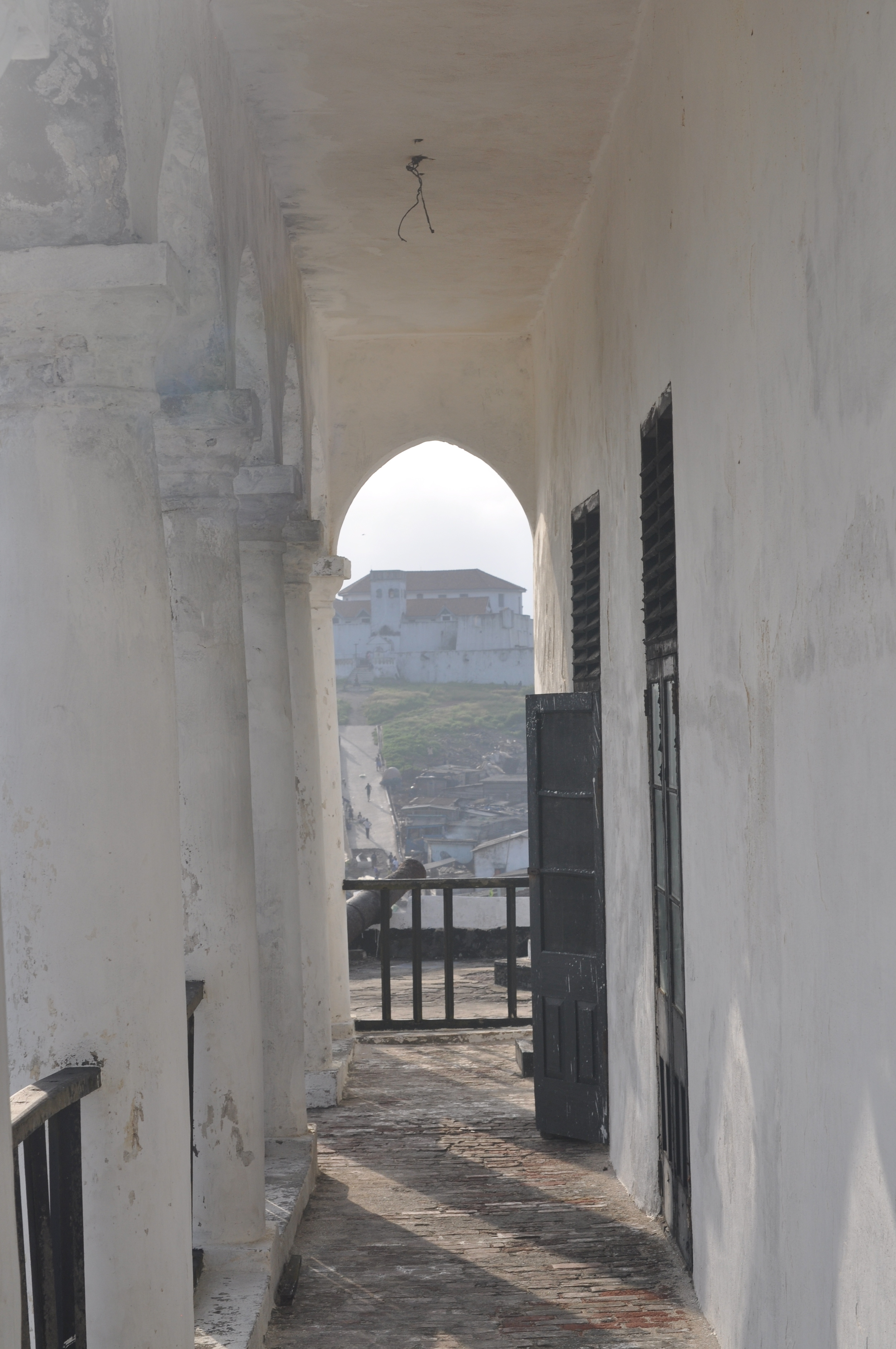
*Pathway upstairs with a view of the castle that housed the soliders
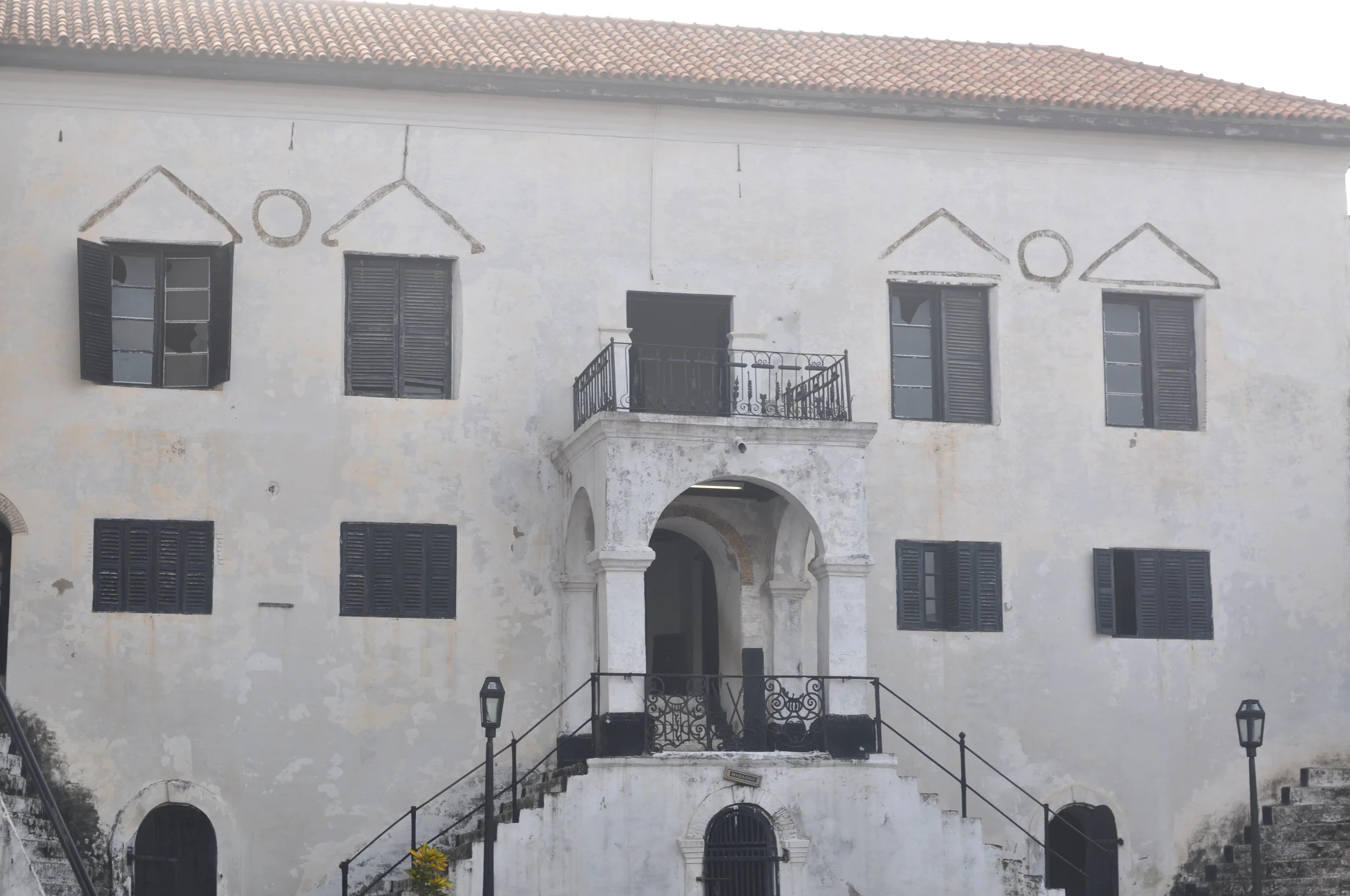
*The governors chambers
Throughout my education in the United States and through movies and books I had learned about slavery and saw reenactments of what had happened. To be in the exact place where my people were held captive with no water, no food and no sanitation put a very real perspective on the atrocious acts of man. In the same moment that I looked around the castle wishing these atrocities had never happened, I was reminded that if it were it not for this horrific act in man's history, I, nor my father standing next to me would exist. The most emotional part of the tour was when our tour guide showed us to 'door of no return'. This narrow doorway pictured below was where the Africa slaves were stripped of all dignity and pride, packed into boats, and then shipped to the Americas. This door served as a black hole and for over 400 years. Not one of the men or women that walked through this door ever returned. Our guide explained to us that the doorway was very small because the slaves were starved during their three months at the castle to allow for the maximum amount of bodies to be shipped on one boat.
My experience at the castle finally completed my personal understanding of slavery and I feel that I now have a beginning to end story of my ancestry.
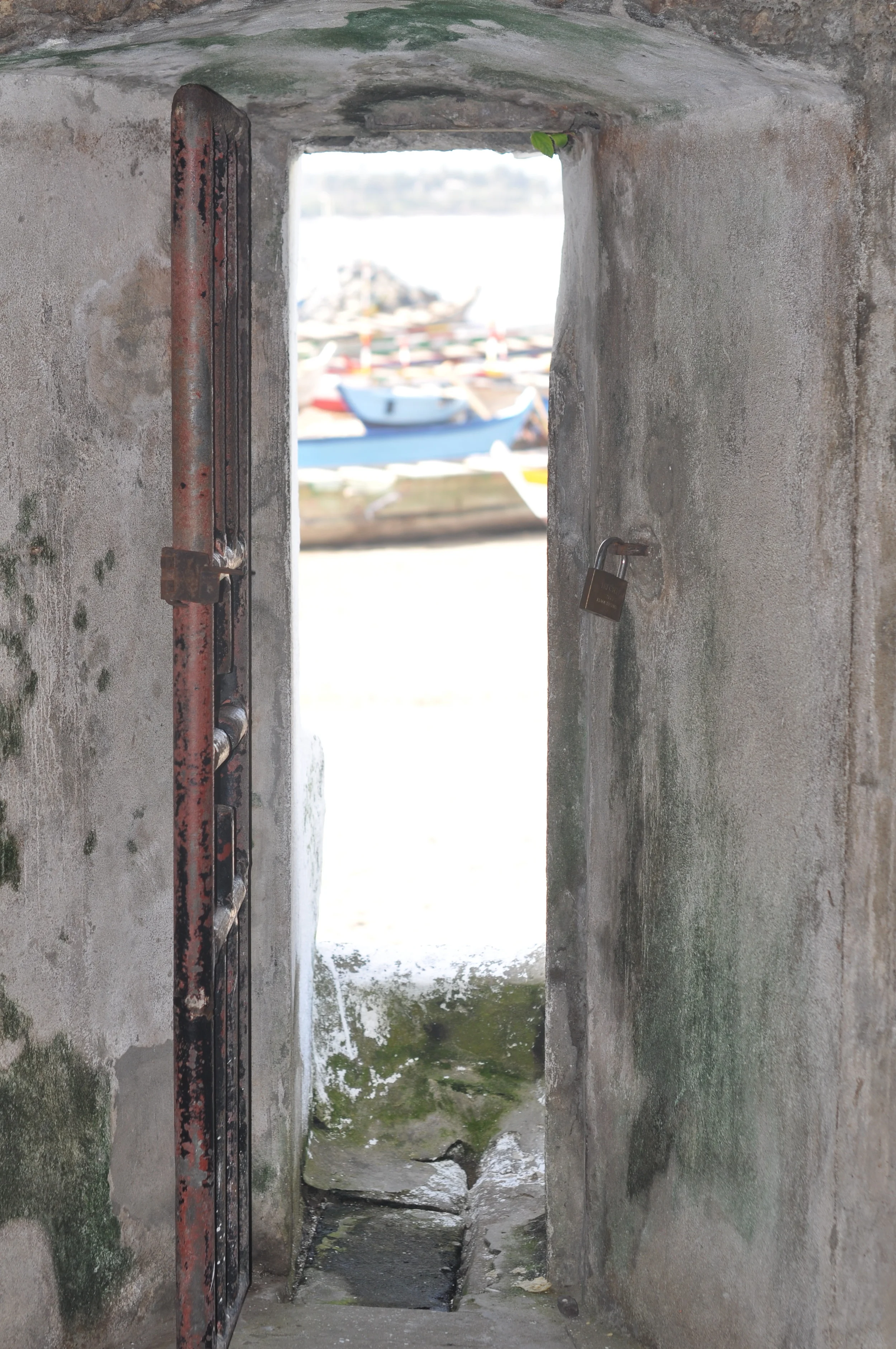
*The door of no return
If you are planning to go to West Africa, a trip to The Elmina Castle should be an essential part of your planning. Your ethnicity does not matter while you're at the castle. The crimes committed at Elmina were not merely black and white, but crimes against mankind. It will be an incredibly powerful experience for anyone that visits.
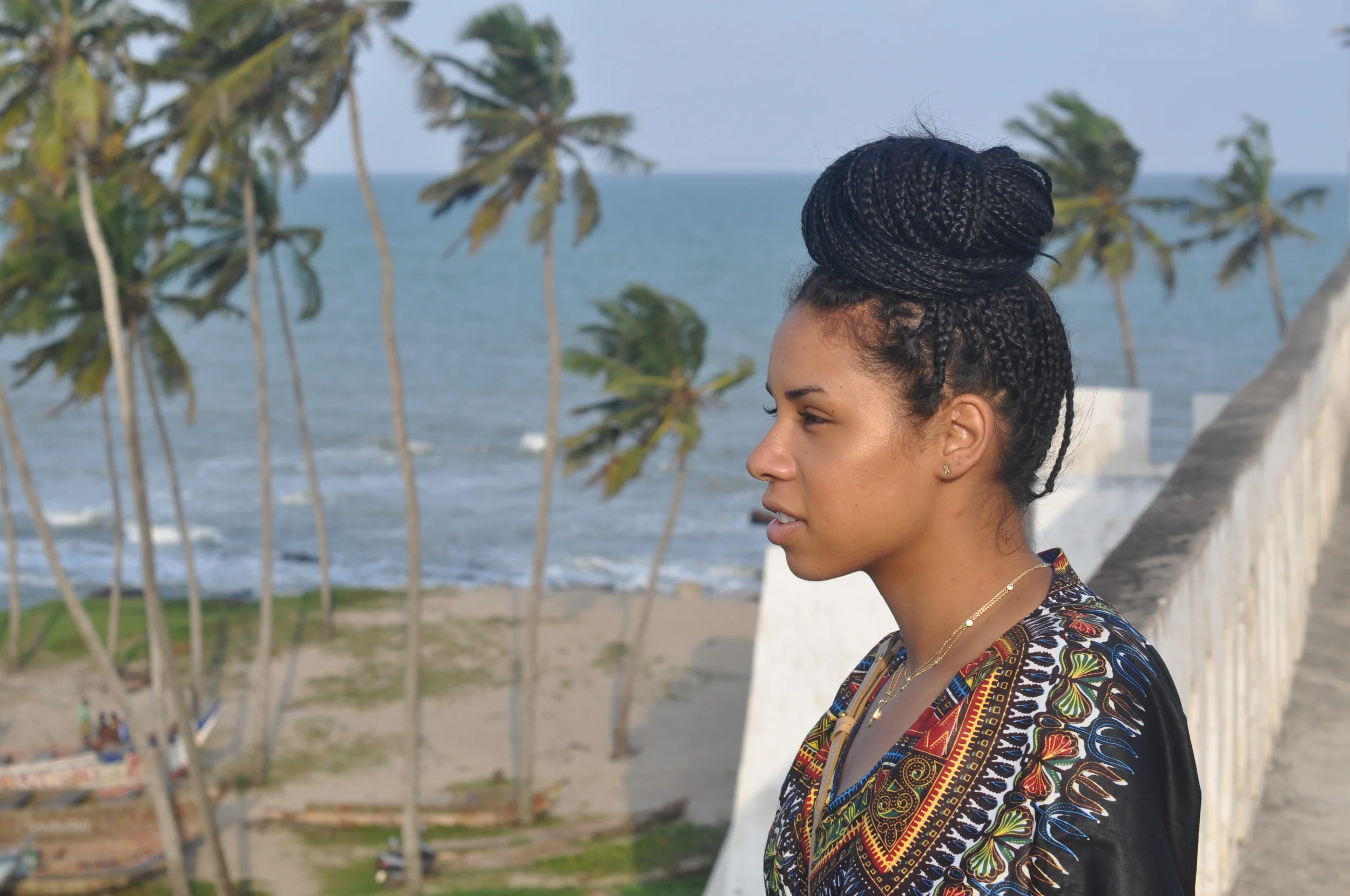
*Peering off to where my ancestors were sailed off to the new world
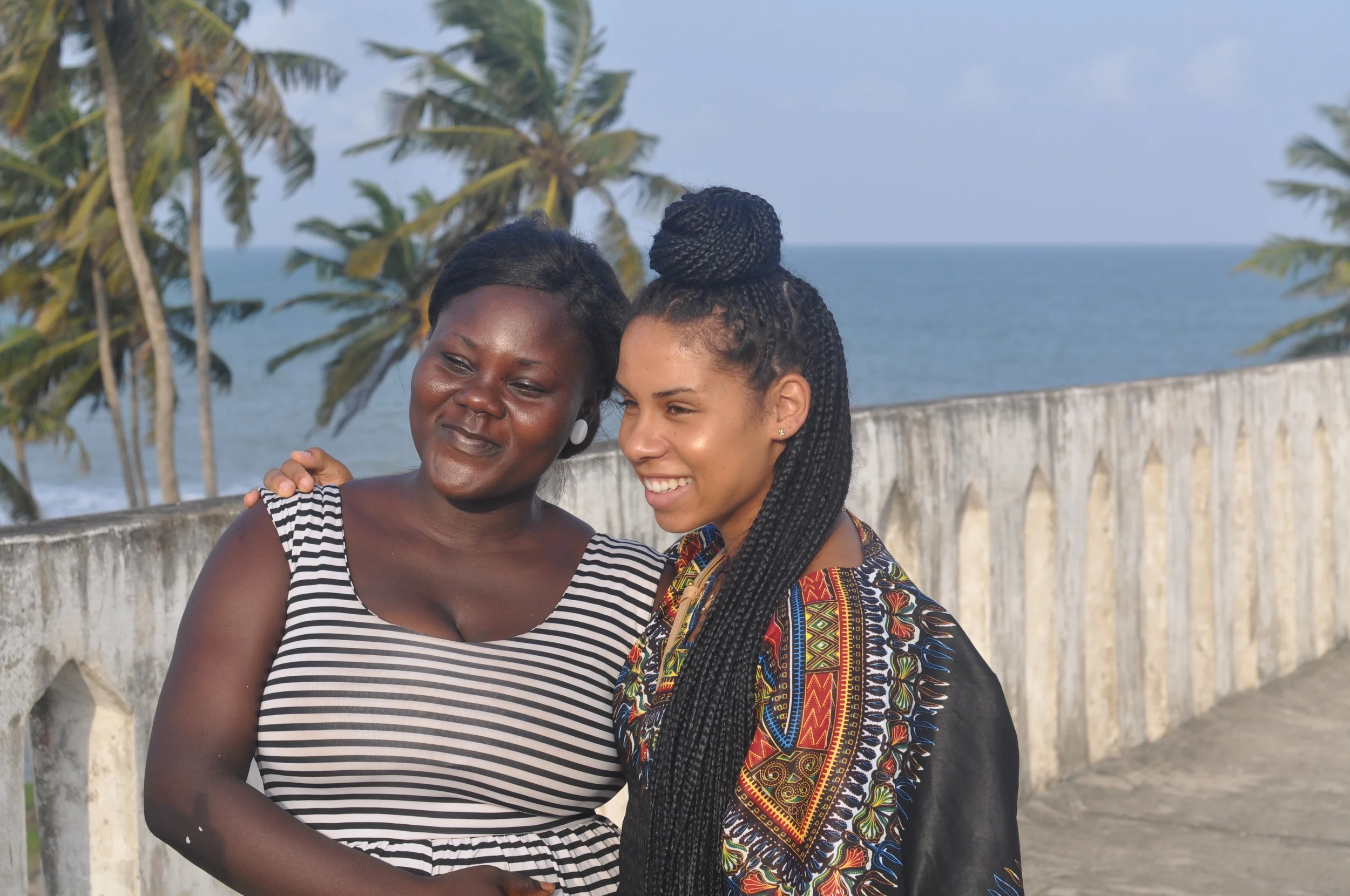
*This lovely woman asked to take a picture with me and I made a new friend
Traveling to the castle from Accra took about 2 and half hours. I highly recommend you leave early in the morning from Accra to get a full day at the castle. The castle it located about 30 minutes from Kakum National Forest, a major Ghanian attraction. Entry to the castle along with a tour guide cost 40 Cedi's per person which is $10 U.S.
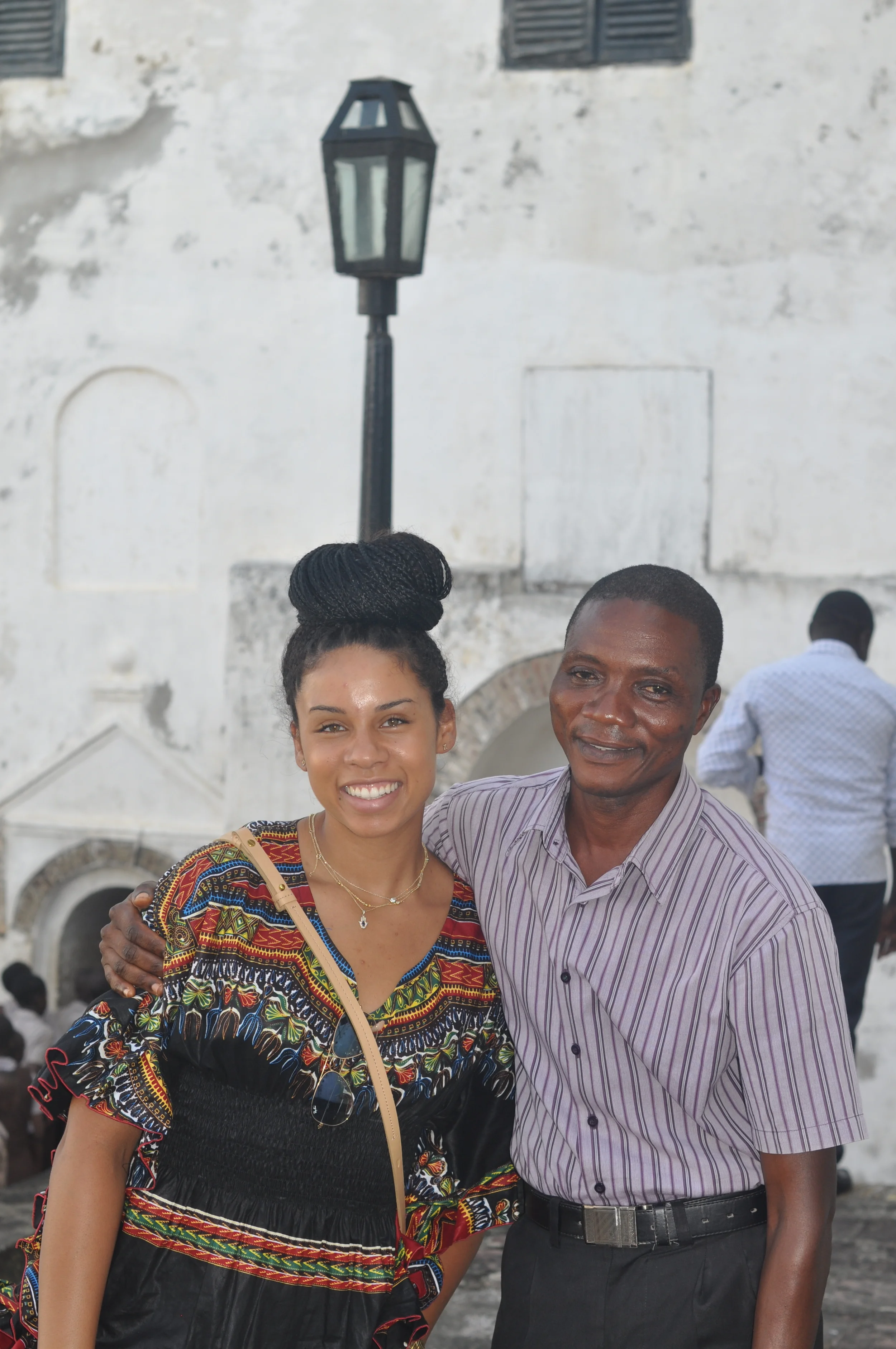
*Our phenomenonal tour guide